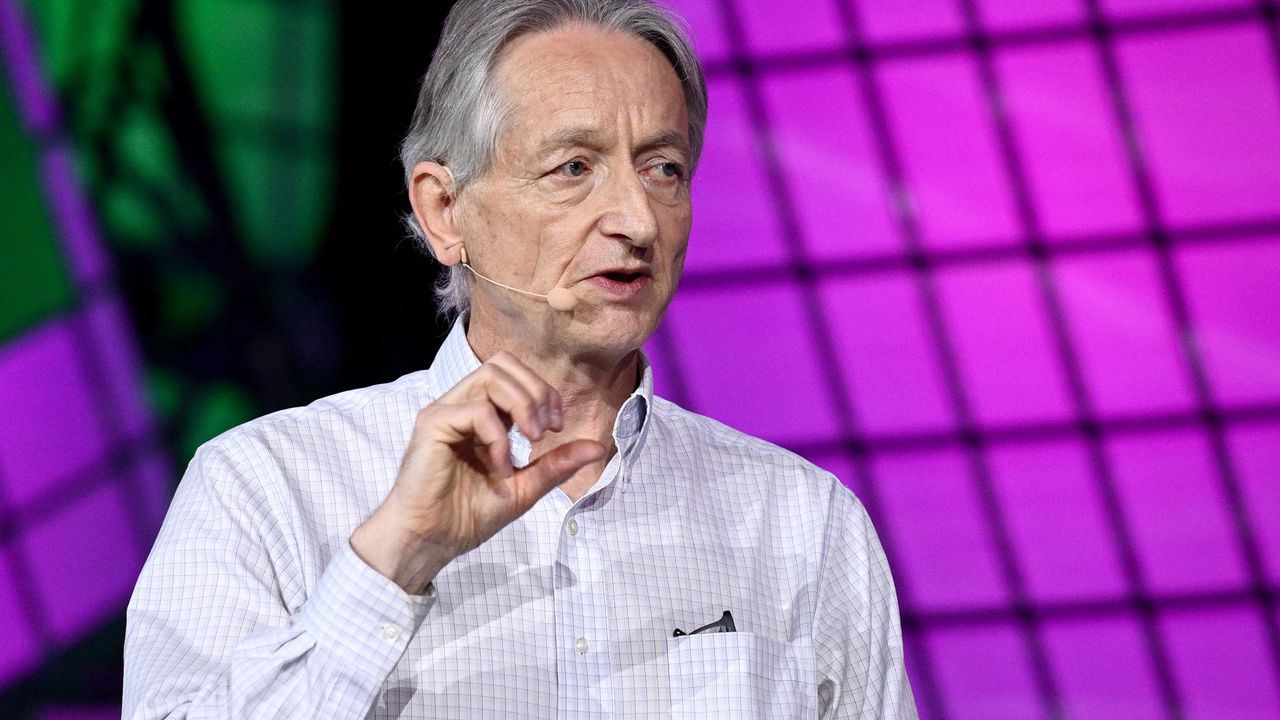
Quote of the day by computer scientist Geoffrey Hinton on AI: 'It is hard to see how you can prevent the bad actors from using it for bad things' — a pessimistic take on the domination of new technologies by those with ulterior motives
As AI develops into the latter half of the 2020s, scientists have repeatedly warned of the dangers that may arise from its widespread deployment.
<![CDATA[ <article> <p>As AI develops into the latter half of the 2020s, scientists have repeatedly warned of the dangers that may arise from its widespread deployment. In particular, there is an overriding view that advancing AI is a tool that can be used for good or for bad depending on who is wielding the tool at any given time. </p><h2 id="breaking-out">Breaking out</h2><p>The British computer scientist Geoffrey Hinton was giving an interview with the <a href="https://www.nytimes.com/2023/05/01/technology/ai-google-chatbot-engineer-quits-hinton.html" target="_blank"><em>New York Times</em></a> upon leaving his role at Google, primarily so he could speak freely and publicly about the dangers of the technology that he helped create.</p><div class="fancy-box"><div class="fancy_box-title">Quote of the day</div><div class="fancy_box_body"><p class="fancy-box__body-text">This article is part of TechRadar Pro's QOTD project to provide an insight into the minds of the brightest and most recognized figures in the technology industry today and in years gone by. <a data-analytics-id="inline-link" href="https://www.techradar.com/tag/qotd">Read the full series here</a>.</p></div></div><p>In this landmark interview, the 'Godfather of AI' was clear that he couldn't continue working for Google while harboring the deep-rooted concerns that he held over the use of AI in various domains. The scientist is, for example, opposed to using AI on the battlefield in "robot soldiers", the newspaper reported.</p><p>At the time, he continued his relationship with Google because he saw the company as being a "proper steward" for AI as it was being developed. His concerns materialized when Microsoft incorporated Bing with a chatbot, forcing Google to act fast so it could incorporate AI into Google Search. </p><h2 id="frankenstein-s-monster">Frankenstein's monster</h2><p>Hinton, who was jointly awarded the Nobel Prize in Physics for his work developing neural networks in the 1980s, has since remarked in an interview with <a href="https://www.youtube.com/watch?v=hcKxwBuOIoI" target="_blank"><em>CBS News</em></a> that he didn't think we would make such progress in the 40 years since. </p><p>He has also floated the notion that there's a non-zero chance that AI could take over, comparing AI with a cute tiger cub that could, one day, potentially kill you when it's grown up. That came alongside warnings that various organizations and individuals, like cyber criminals or authoritarian regimes, could weaponize AI for their own agendas. </p><div style="min-height: 250px;"> <div class="kwizly-quiz kwizly-OdvAJe"></div> </div> <script src="https://kwizly.com/embed/OdvAJe.js" async></script> </article> ]]>