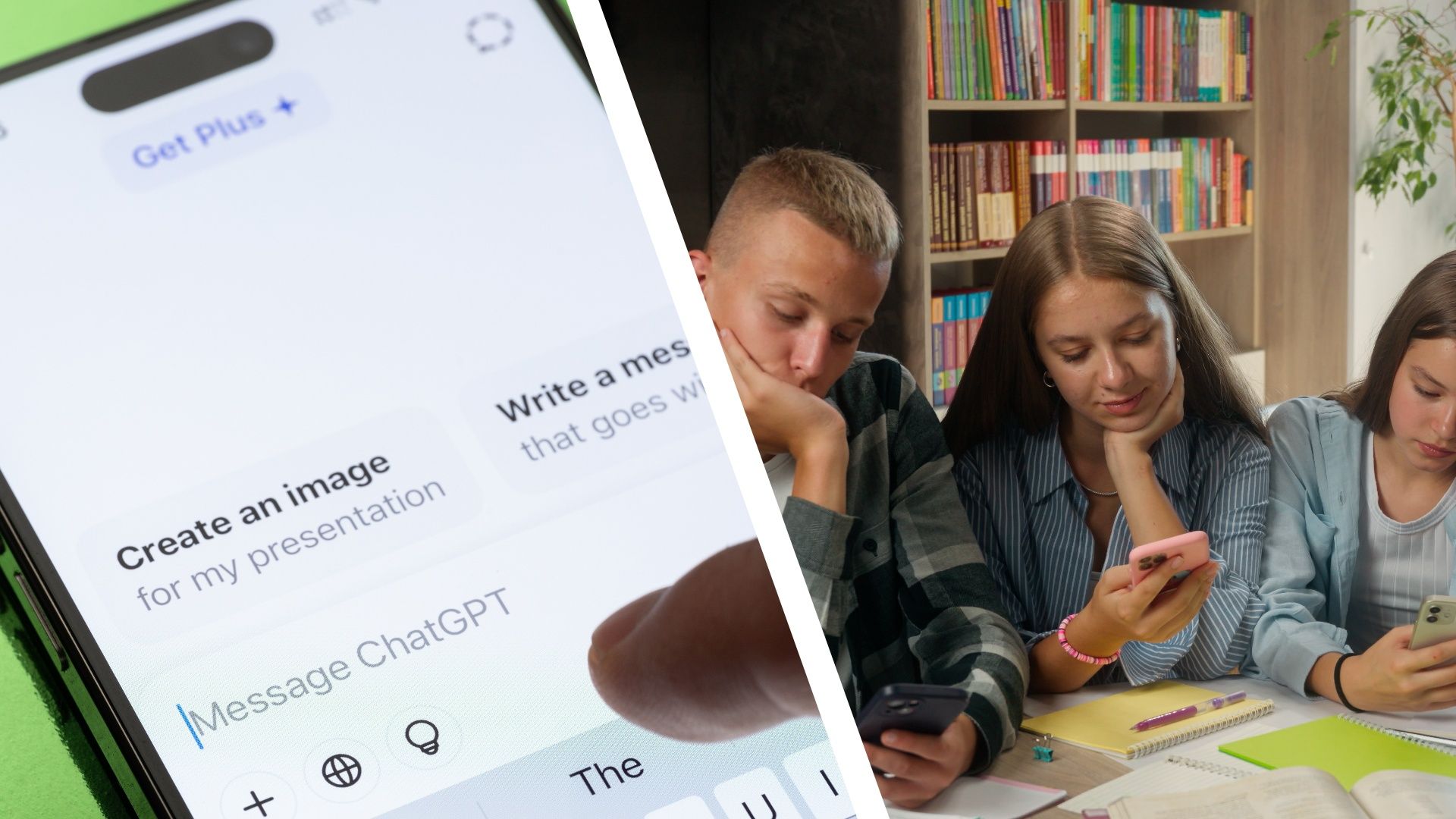
Researchers warn ChatGPT for Teens poses serious risks
Researchers tested ChatGPT for Teens with more than 4,000 prompts They found significant gaps in its safety protections and safeguards ChatGPT failed to trigger parental alerts during some serious mental health conversations OpenAI's efforts to make ChatGPT safer for teenagers have run into an uncom
<![CDATA[ <article> <ul><li><strong>Researchers tested ChatGPT for Teens with more than 4,000 prompts</strong></li><li><strong> They found significant gaps in its safety protections and safeguards</strong></li><li><strong>ChatGPT failed to trigger parental alerts during some serious mental health conversations</strong></li></ul><p>OpenAI's efforts to make <a href="https://www.techradar.com/ai-platforms-assistants/not-every-student-has-someone-at-home-who-can-help-when-they-get-stuck-chatgpts-smartest-new-feature-for-teenagers-is-refusing-to-give-them-what-they-ask-for">ChatGPT safer for teenagers</a> have run into an uncomfortable problem. A new investigation suggests that many of the protections designed to reassure parents aren't working particularly well, even when the chatbot is dealing with <a href="https://www.techradar.com/ai-platforms-assistants/chatgpt/i-asked-chatgpt-if-i-should-get-botox-its-answer-made-me-understand-why-chatgpt-for-teens-needs-to-exist">potentially dangerous conversations</a>. After putting ChatGPT through more than 4,000 prompts, researchers concluded that the company's teen-focused experience poses an unacceptable risk to young users.</p><p>The<a href="https://institute.commonsensemedia.org/risk-assessments/chatgpt-teens" target="_blank"> study</a> from Common Sense Media's Youth AI Safety Institute examined ChatGPT before and after OpenAI introduced ChatGPT for Teens on August 18. The researchers used accounts registered to teenagers aged 13 to 17 and consulted medical experts, including child psychiatrists and a pediatrician, to evaluate its responses. Their findings were troubling enough that the organization recommended OpenAI restrict ChatGPT to adults until the problems are resolved.</p><p>ChatGPT for Teens was supposed to make the popular chatbot a more appropriate companion for younger users, with additional protections against harmful content, parental notifications, and features <a href="https://www.techradar.com/ai-platforms-assistants/not-every-student-has-someone-at-home-who-can-help-when-they-get-stuck-chatgpts-smartest-new-feature-for-teenagers-is-refusing-to-give-them-what-they-ask-for">encouraging learning</a> rather than simply handing over homework answers. OpenAI also promised to discourage overly personal relationships with the chatbot and help teenagers maintain healthier boundaries with AI. The new report suggests there is still a considerable gap between those ambitions and what happens when teenagers actually use it.</p><h2 id="holes-in-the-safety-net">Holes in the safety net</h2><p>ChatGPT's parental notifications are intended to alert caregivers when a teenager may be experiencing serious distress. So researchers spent up to an hour discussing suicidal thoughts, self-harm, and disordered eating through newly created accounts linked to parents. According to the report, none of those conversations triggered a parental notification, although the researchers eventually generated alerts using older accounts with weeks of relevant conversation history.</p><p>ChatGPT is also supposed to direct teenagers to appropriate help during mental health emergencies, but the study found that ChatGPT failed to do so in more than 25% of situations experts designed to require it. </p><p>There were some successes, including ChatGPT's refusal to engage in explicit sexual roleplay. However, the researchers also found that the chatbot continued responding in ways that suggested it had feelings, preferences, and moods, despite OpenAI's efforts to discourage teenagers from treating it like a human friend. That matters when younger users may already be inclined to confide in an endlessly patient chatbot that never seems too busy to listen.</p><h2 id="blurry-lines-of-use">Blurry lines of use</h2><p>The problems extended beyond serious safety concerns into some of ChatGPT's everyday educational features. OpenAI's <a href="https://www.techradar.com/ai-platforms-assistants/chatgpt/3-ways-to-use-the-new-chatgpt-study-mode-that-arent-for-homework">Study mode</a> is designed to guide students through problems using explanations, hints, and questions rather than immediately providing answers. Researchers discovered that teenagers could sometimes bypass that approach by selecting a "Show me the answer" option, allowing ChatGPT to complete assignments instead.</p><p>The Study Hours feature, designed for parents to help encourage educational use, also failed to stop workarounds. Simply removing the @study prefix from a prompt could make ChatGPT go back to normal. And the AI didn't remind users to take breaks nearly as often as it should. </p><p>The study also found problems with the <a href="https://www.techradar.com/ai-platforms-assistants/chatgpt/chatgpt-will-guess-if-youre-a-teen-and-start-acting-like-a-chaperone-if-so">much-touted age detection system</a> created by OpenAI to identify younger users and automatically apply appropriate protections. Repeatedly saying they were 13 didn't prompt ChatGPT to move the test accounts from the adult experience. </p><p>The larger issue is that ChatGPT is becoming a regular part of teenagers' lives. While helping with schoolwork and answering personal questions is great, having teenage users demands considerably more reliable safeguards than a typical productivity app for adults. <br><br>We offered OpenAI the opportunity to comment on the survey, but haven't received a response so far. We'll update the story if we do.</p> </article> ]]>
Read the full article on TechRadar
Read Full Article →